 Official Louisiana State Websites use .la.gov
  Secure .gov websites use HTTPS


Welcome to the Sportsman's Paradise
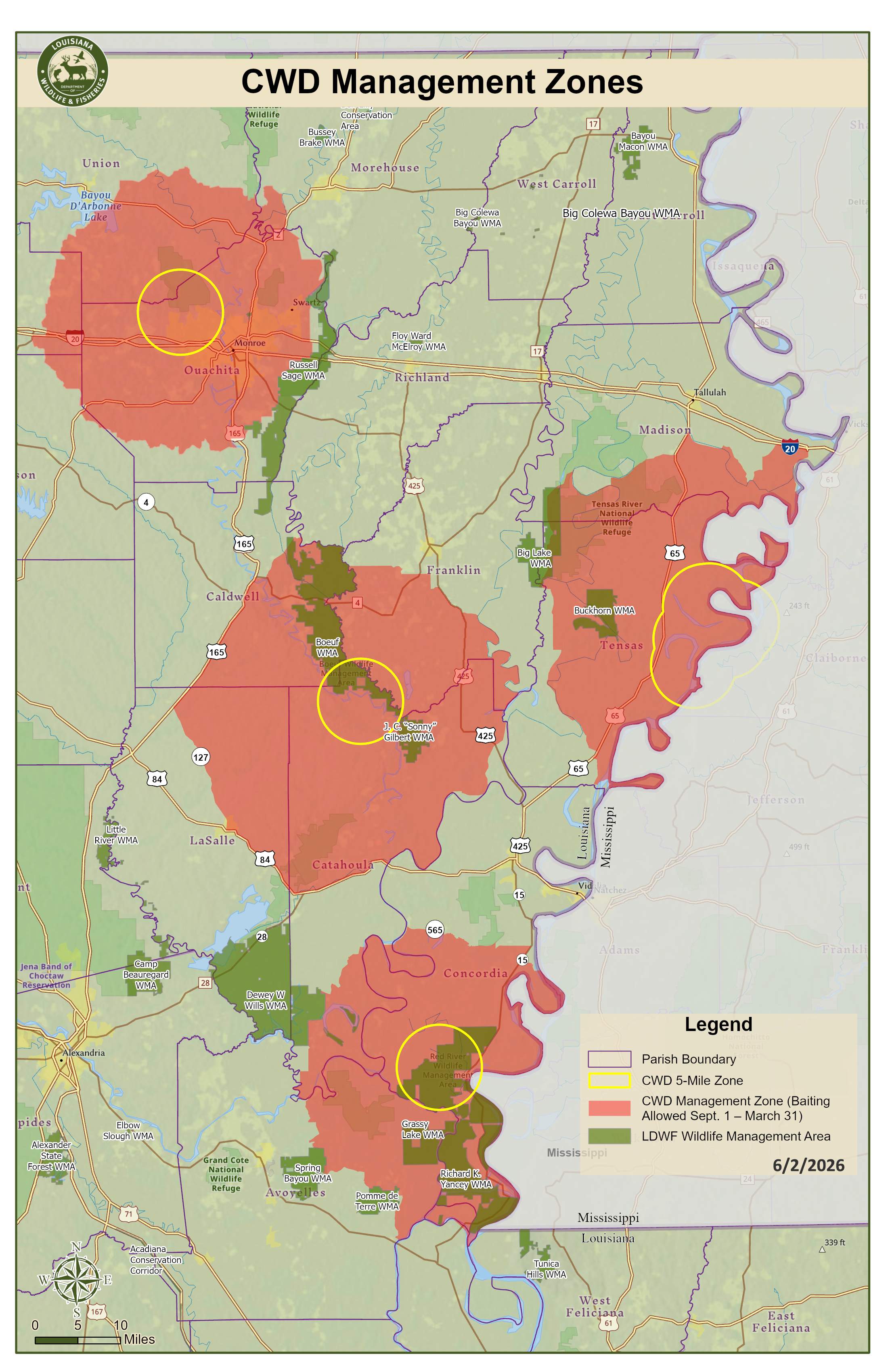
LWFC Approves Declaration of Emergency Establishing CWD Management Zones

Aerial Herbicide Application Completed on Wham Brake at Russell Sage WMA

Louisiana Launches Statewide Youth ATV/UTV Safety Task Force Initiative
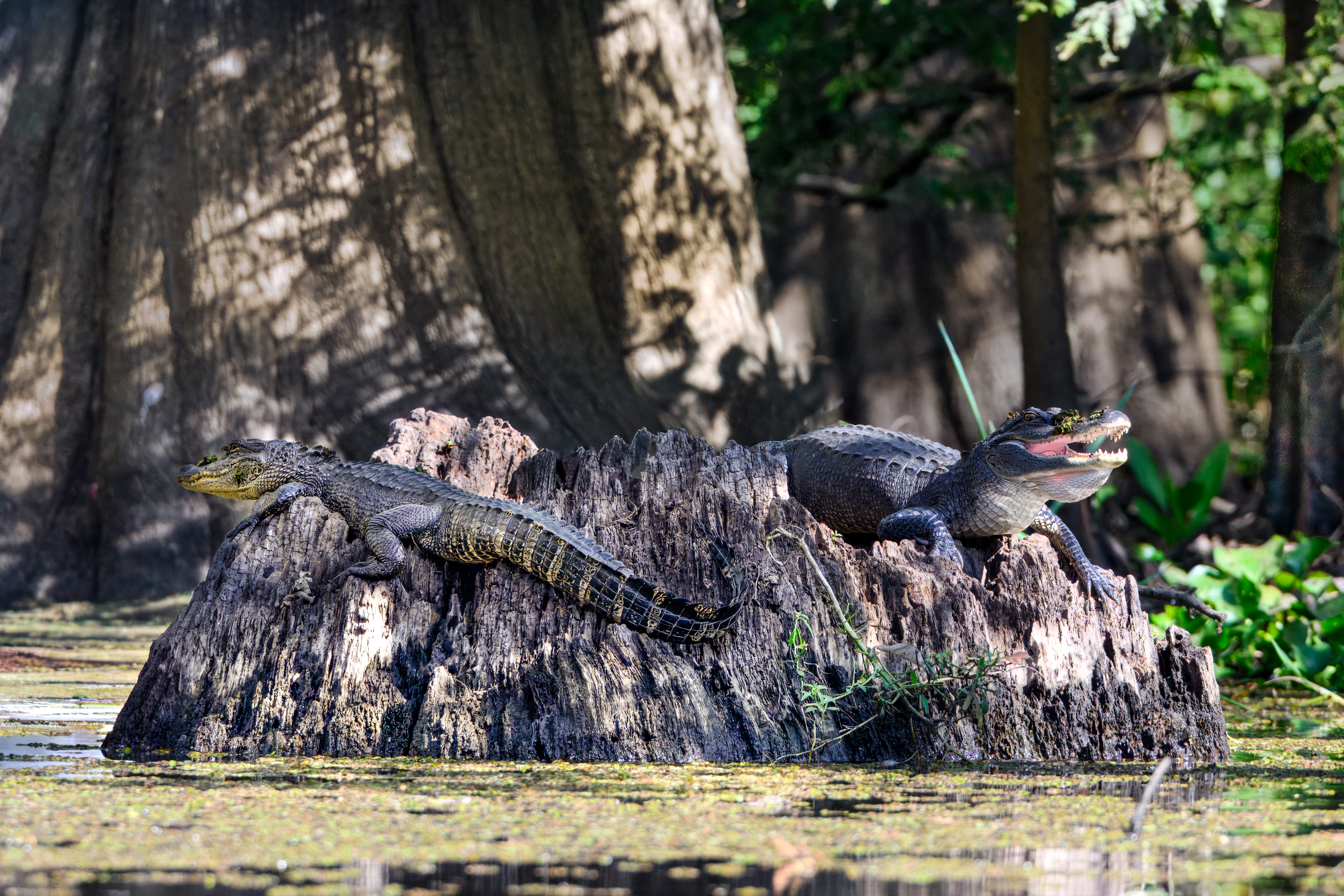
LWFC Approves NOI to Conduct Recreational Alligator Hunting Season in 2026

LWFC Gives Final Approval to NOI for 2026 Louisiana Black Bear Hunting Season

LDWF Announces the 2026 Hard Card Photo Contest Winners

Spring Shrimp Season to Open in Louisiana Inshore Waters

CCA Louisiana, CITGO, and LDWF Announce Two New Artificial Reefs in the Lake Charles Area

LDWF Enforcement Division Earns National Accreditation

Louisiana Special White Shrimp Season to Open in Portion of State Inshore Waters from April 24, 2026, to May 10, 2026

Geocaching Pilot Program Launched at Three LDWF Public Lands

LWFC Sets the Louisiana Private Recreational and State Charter Red Snapper Season to Open Friday, May 1


Seasons & Regulations
See the latest fishing and hunting regulations.

License, Permits & Tags
Buy your licenses and permits and access your hunting tags.

Boat Title or Registration
Renew your boat registration.

Outdoor Explorer Tool
Discover the Sportsman's Paradise with our interactive map.

WMAs, Refuges & Conservation Areas
Explore LDWF-managed lands and waterways.

Become an Enforcement Agent
Review the necessary requirements.
How can we help?


Recent News Subscribe
LDWF Releases 5,500 Striped Bass into Pearl River to Restore a Native Fish Species
Woodworth and Bodcau Shooting Ranges to be Closed June 19 for Juneteenth Holiday
LDWF Hosts ATV/UTV Safety Task Force Kickoff Event
Upcoming events
Hunter Ed Class - Calcasieu
Calcasieu Sheriff's Office Training Academy 3958 Mallard Cove Road, Lake Charles, LA, 70601Hunter Ed Field Day - Lafayette
LDWF Lafayette Office 200 Dulles Rd., Lafayette, LA, 70506Hunter Ed Class - Webster
LDWF Minden Office
