Buy A License Renew Your Boat Registration Pay Fines/Restitution

Eastern Pinesnake

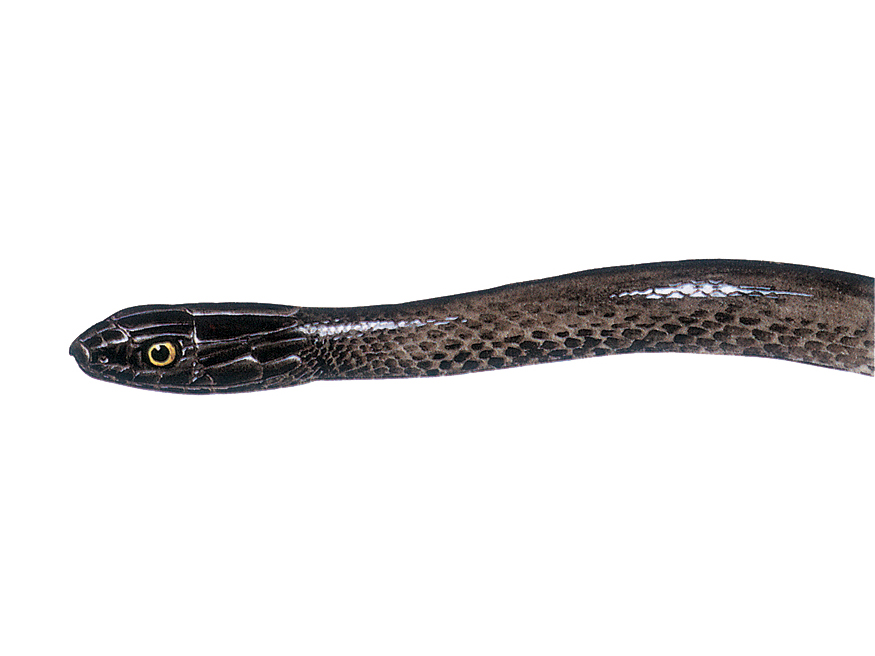
Subspecies occurring in Louisiana is the Black Pinesnake (Pituophis melanoleucus lodingi)

  • Scientific Name:

    Pituophis melanoleucus
  • Terrestrial

  • Native

  • Snakes

  • Nonvenomous

Description

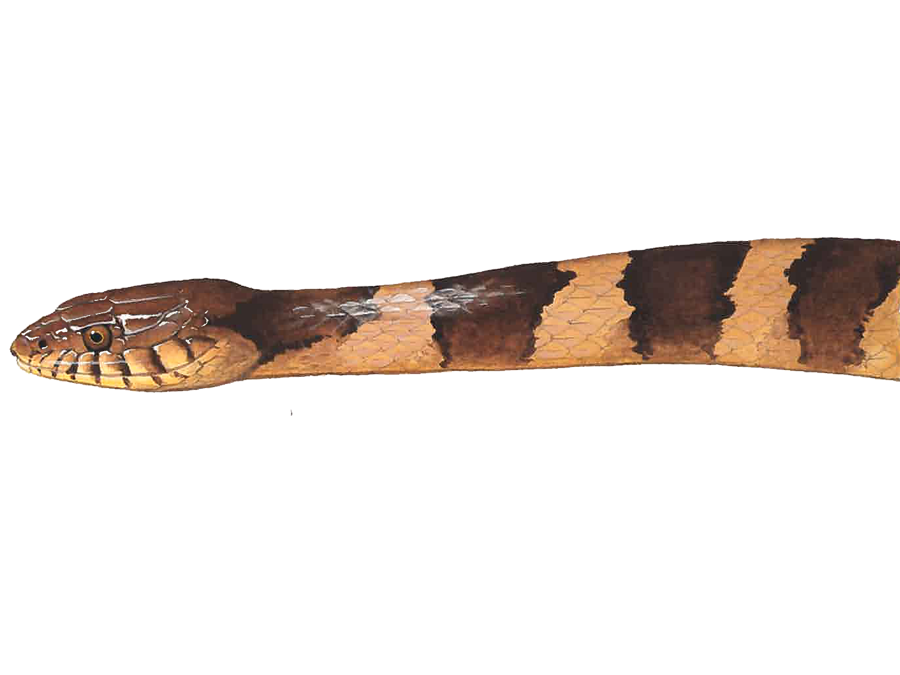
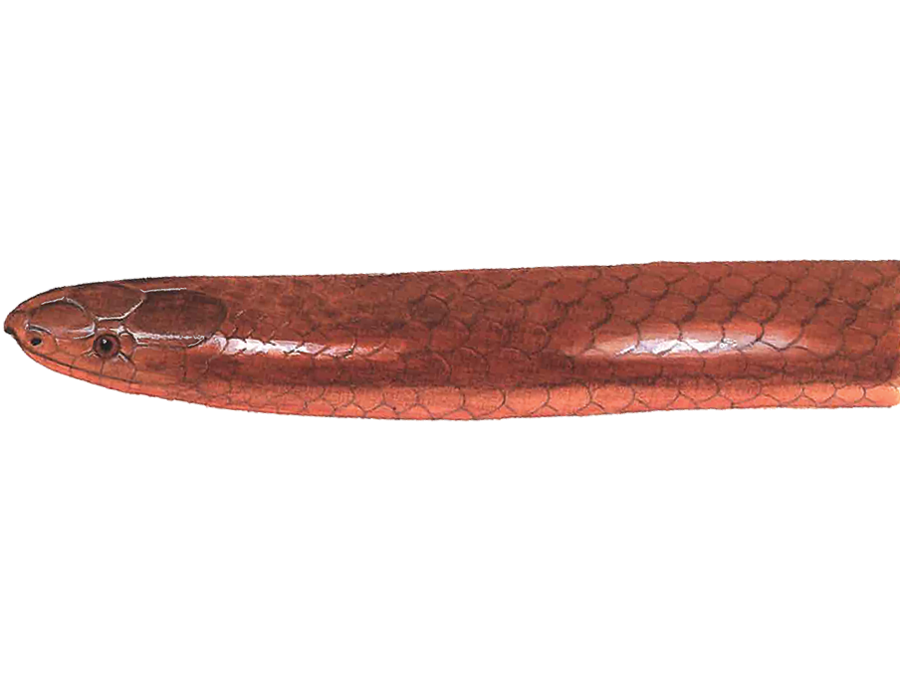
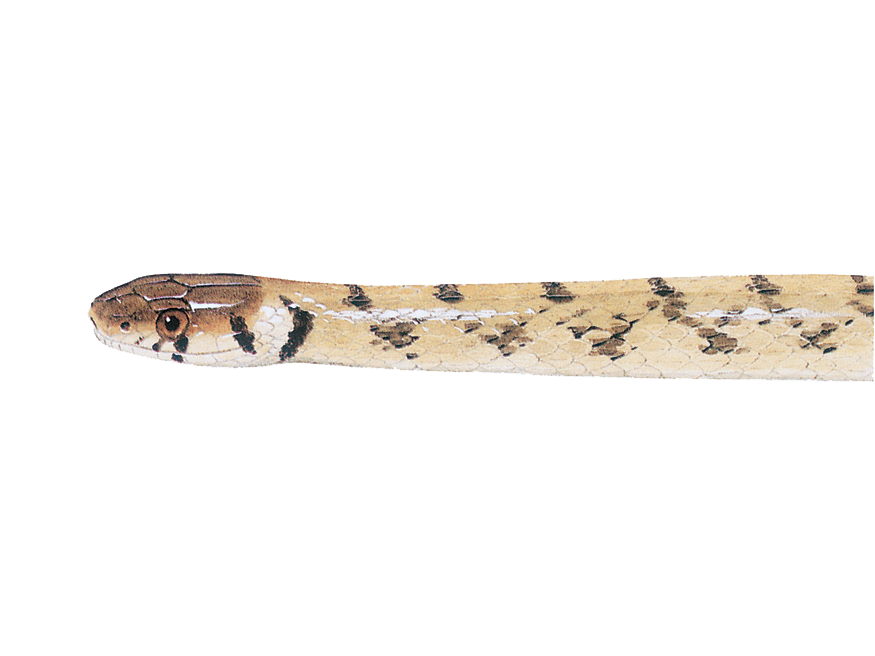
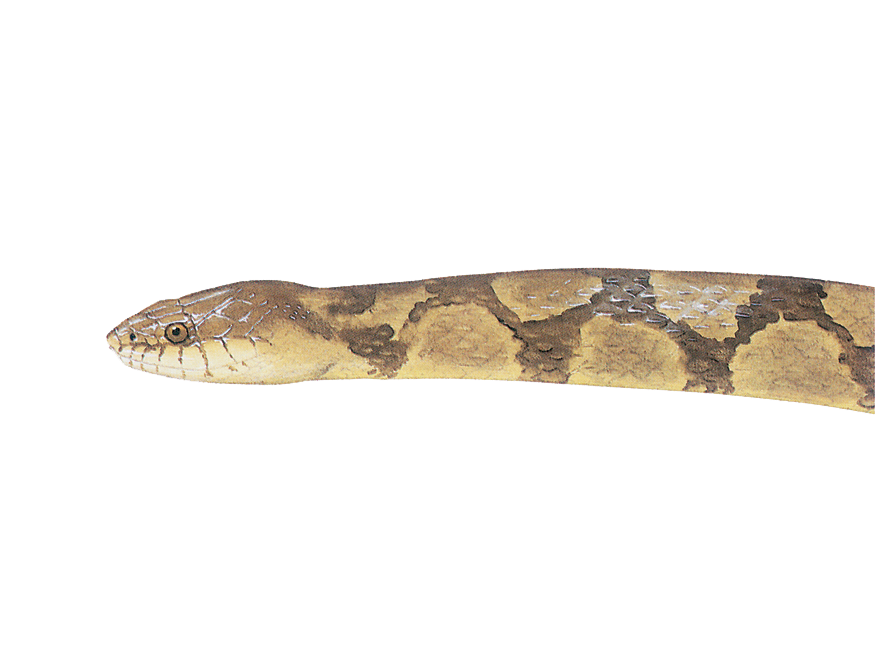
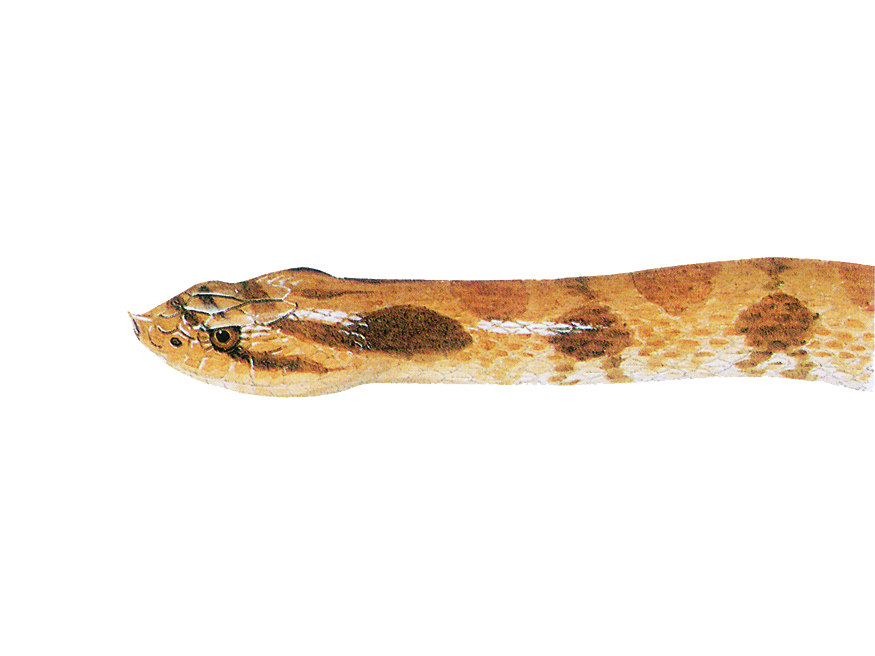
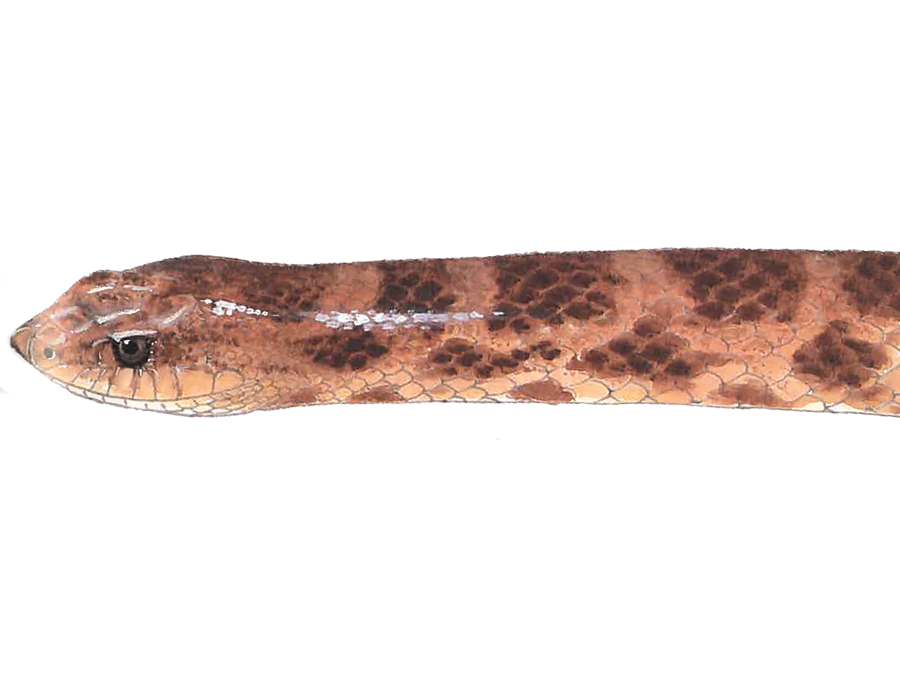
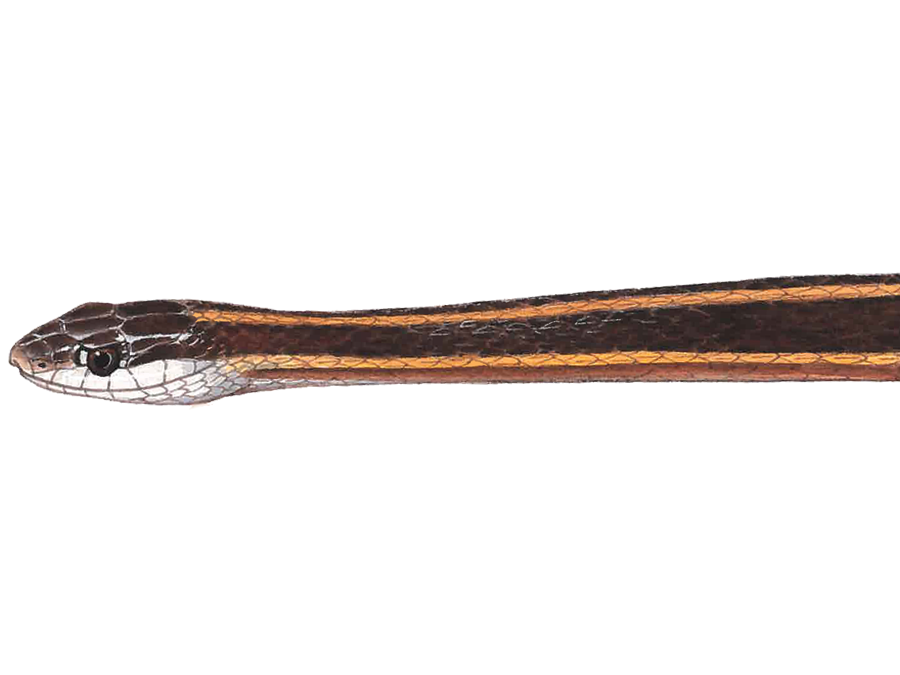
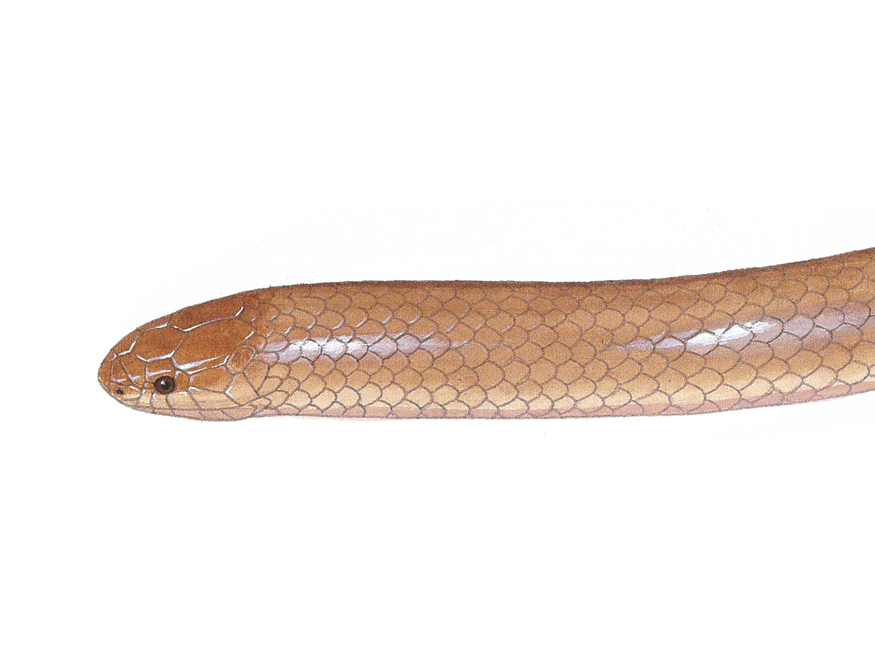
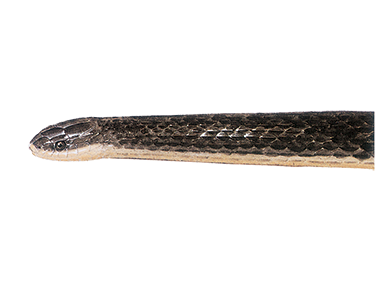
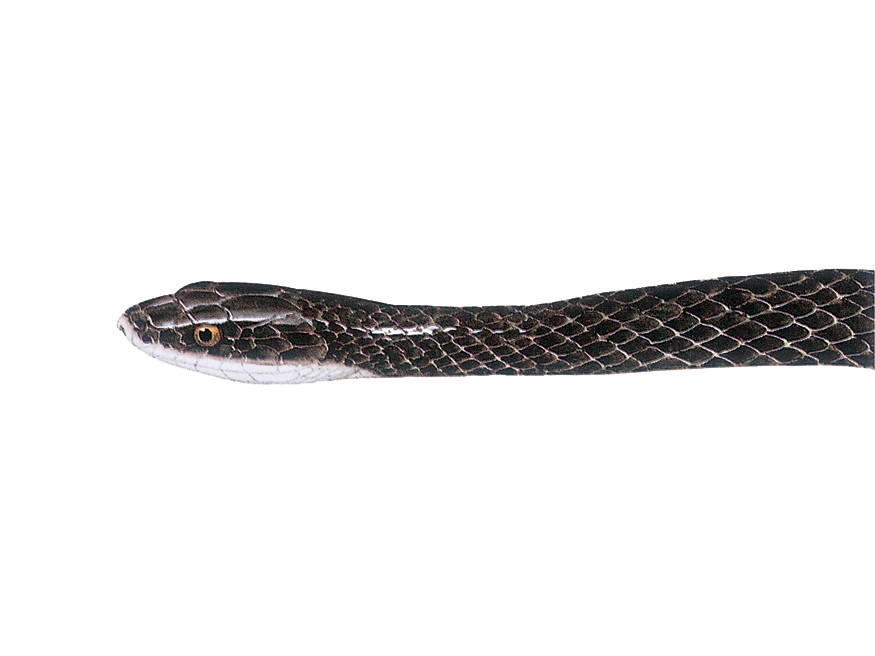
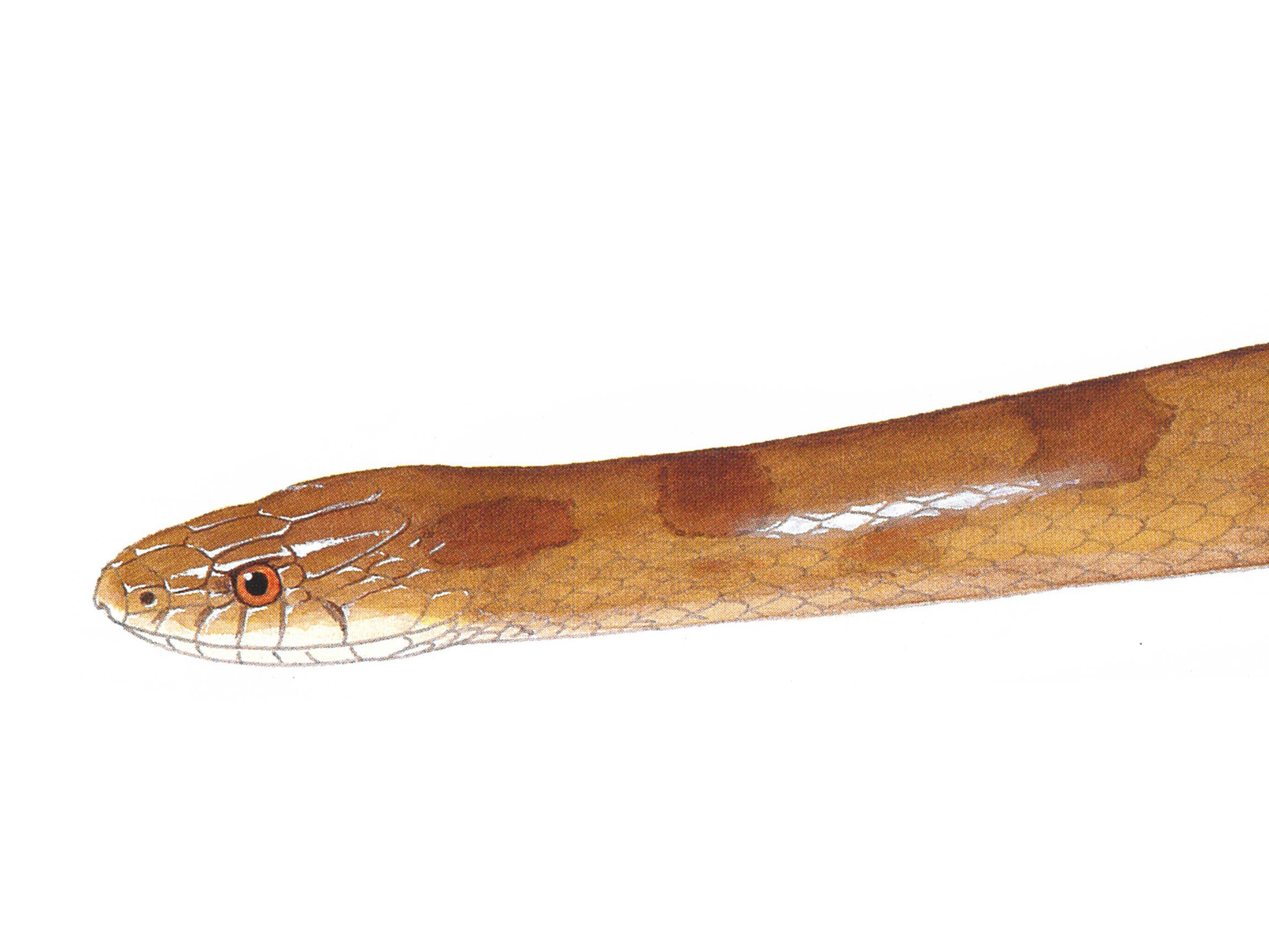
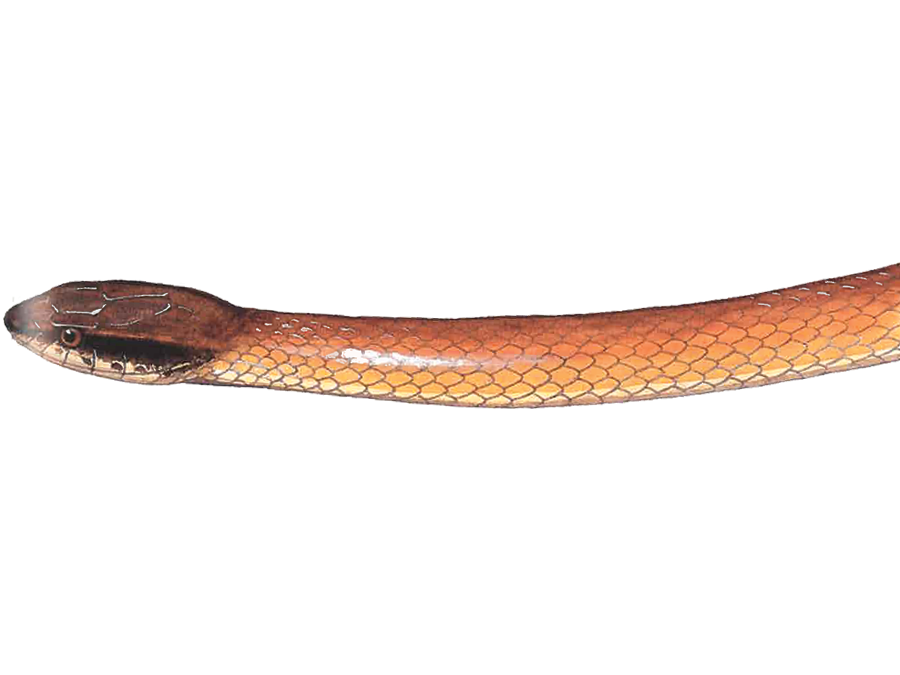
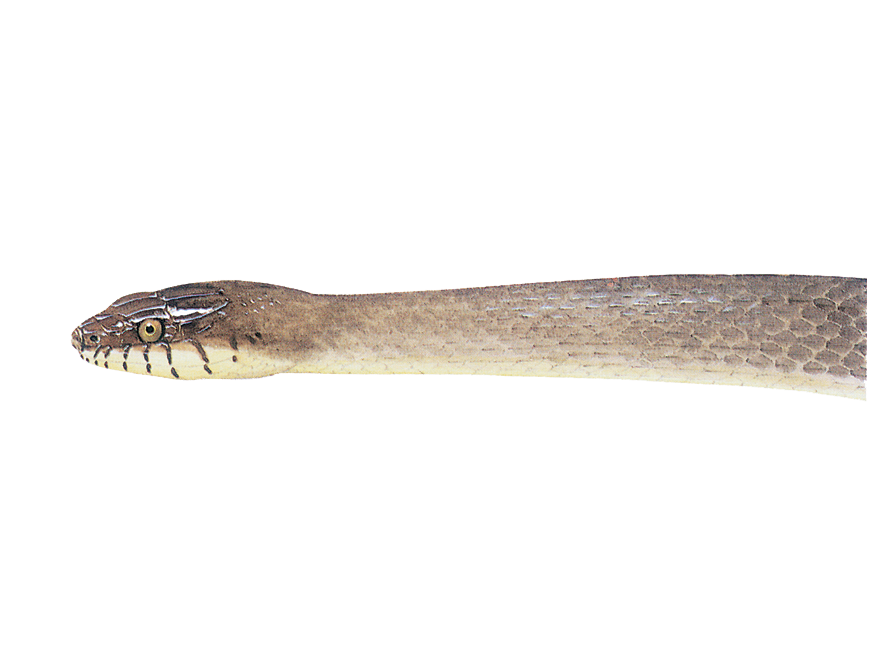
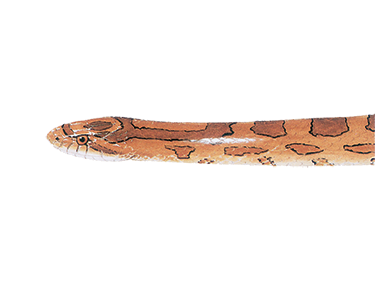
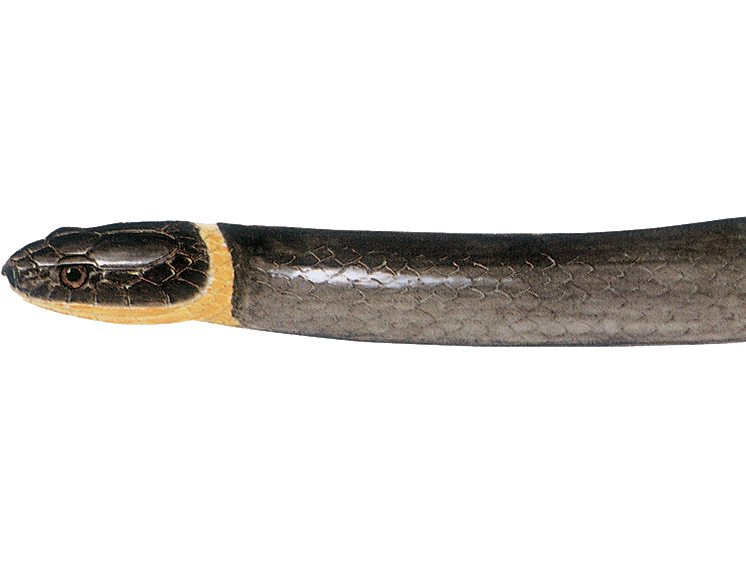
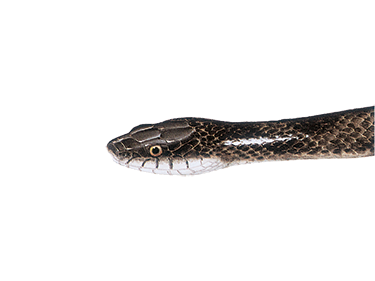
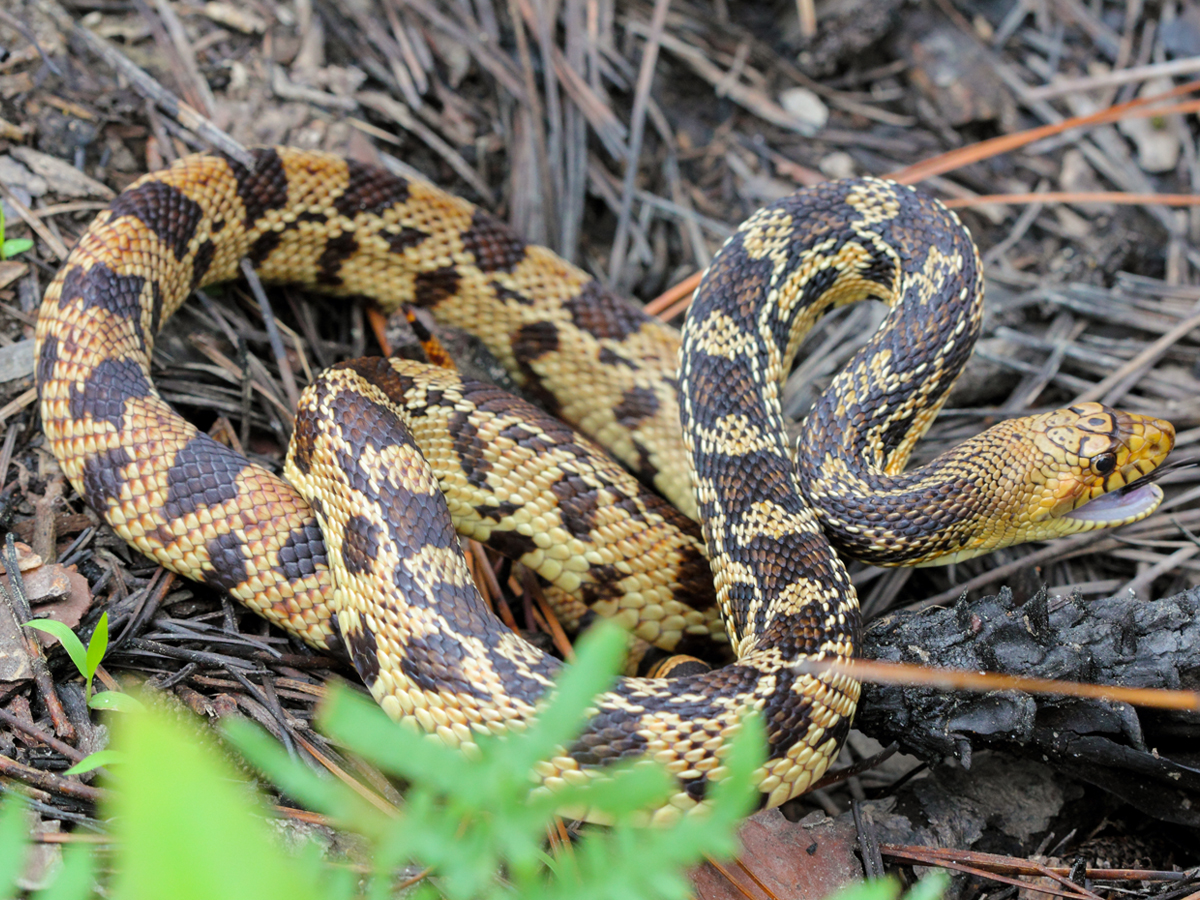
A large, terrestrial snake- 25 to 80 inches. Overall dark brown to nearly black on back and belly with a row of large black blotches down the back and sometimes light markings on tail, throat, and belly. Round pupils. Pointed snout covered by a large triangular scale. Young black pine snakes are dark toward the head, patterned toward the tail, and have pink to tan bellies. They have keeled (ridged) scales keeled in 27 to 32 rows.

Possession or harvest of this species from the wild is illegal in the state of Louisiana. Species is listed as Threatened under the Engangered Species Act.

Range and Habitat

Found in dry, open, mature pinelands. Prefer sandy, well-drained soils. Small fragmented range in Alabama and Mississippi. Only two confirmed records of Black Pinesnakes in Louisiana from Washington Parish, one from the 1920s and one from 1964.

Behavior

Behave similarly to ratsnakes, although they do not climb. A powerful constrictor, feeding primarily on pocket gophers as well as other small mammals, birds, and bird eggs. Mate in early April through June. Females lay 1 to 24 eggs 1 to 2 months after mating. Lay eggs in soft sand under rocks, in abandoned gopher burrows, or in burrows built by the female. Eggs are oval with leathery shells; they often stick together. Young hatch in August and September.

Population

Ranked as S1 (critically imperiled) in Louisiana. Threats to the population include habitat loss due to land use conversion such as urban development and conversion to agriculture and pine plantations, habitat degradation and fragmentation, fire suppression, and collisions with vehicles.