Buy A License Renew Your Boat Registration Pay Fines/Restitution

Harlequin Coralsnake

Eastern Coralsnake

  • Scientific Name:

    Micrurus fulvius
  • Terrestrial

  • Native

  • Snakes

  • Venomous

Description

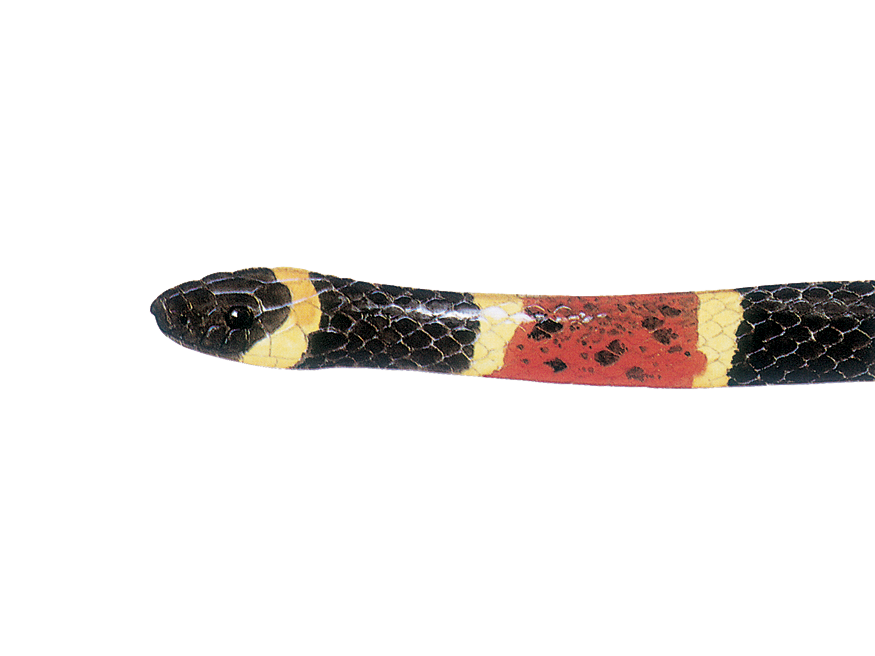
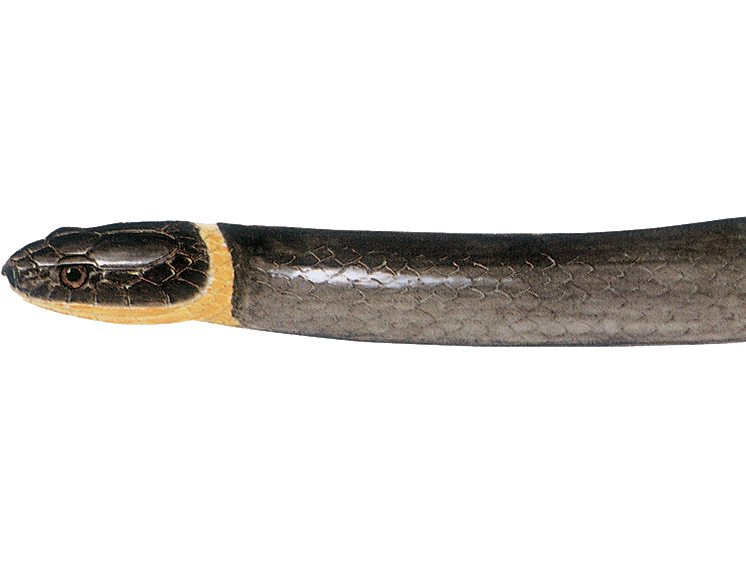
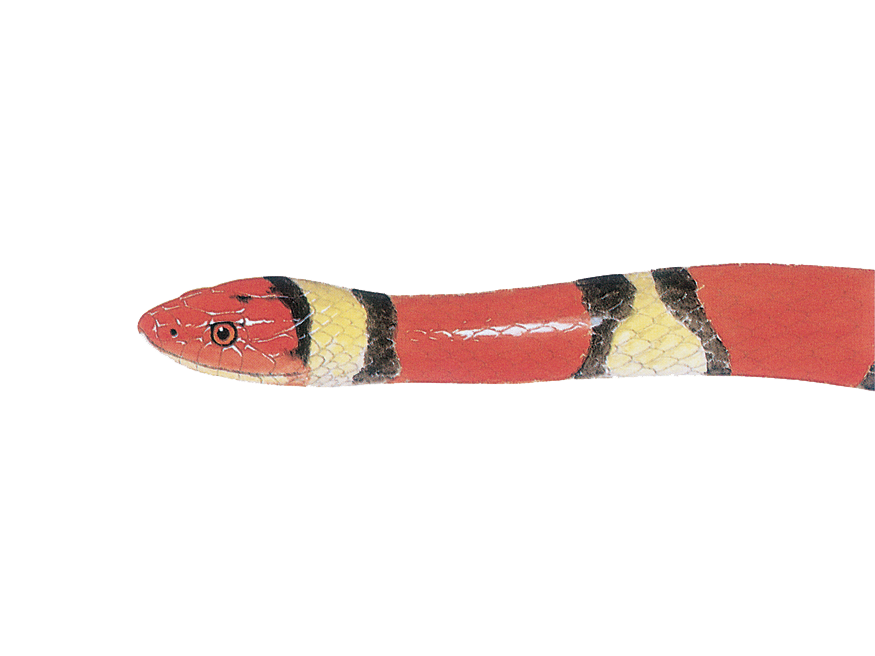
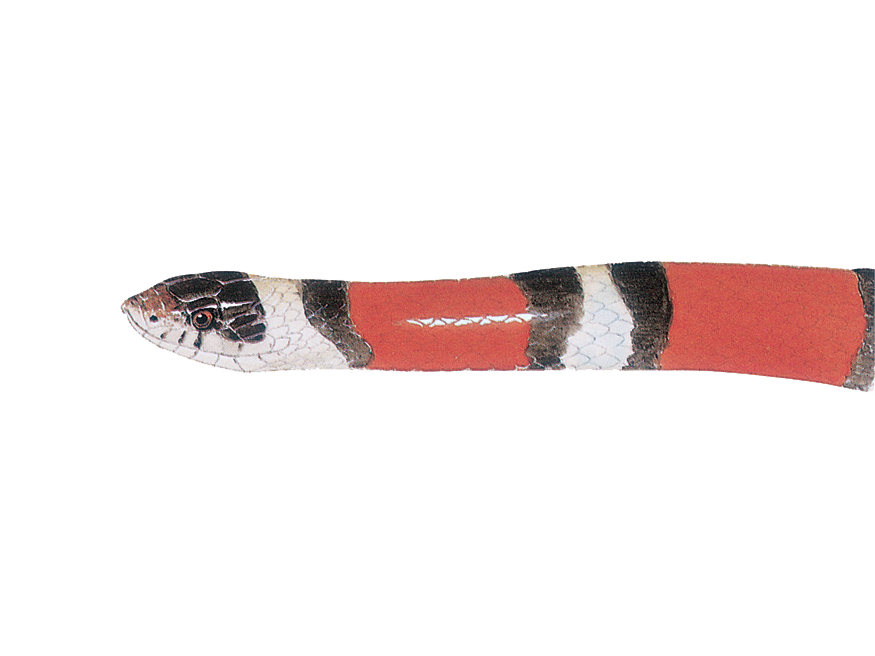
A medium snake- 15 to 36 inches long. A series of wide black and red rings, separated by narrow yellow rings, encircle the body. Snout is black and back of head is yellow. Scales are smooth and in 15 rows. The first black ring on the neck does not reach the parietal shields (two large shields on the crown of the head).

Range and Habitat

Found in the Florida Parishes east of the upper Amite River and lower Tangipahoa River. There have been no confirmed records from Louisiana since the 1980s. They are not found south of Lake Pontchartrain. Inhabit dry, wooded areas, especially pinelands and mixed forests, but some may be found in open pastures.

Behavior

Coral snakes are secretive and rarely encountered. They forage in leaf litter during the day or evening but remain concealed most of the time. Coral snakes don't strike. They should not be held under any circumstances—if carelessly handled, they may bite unexpectedly. Feed on lizards and small snakes as well as some rodents. Males can reproduce at 11 to 21 months old, females can reproduce at 21 to 27 months old. Mate in spring and sometimes fall. Lay 5 to 9 eggs. Eggs incubate for 10 to 13 weeks.

Population Status

Ranked as S2 (imperiled) in Louisiana. Threats to population include habitat destruction and death from motorized vehicles, loss of habitat to development, and habitat contamination from pollution and pesticides.