 Official Louisiana State Websites use .la.gov
  Secure .gov websites use HTTPS
Commercial Reptile and Amphibian Collecting
Harvesting, Processing, and Selling
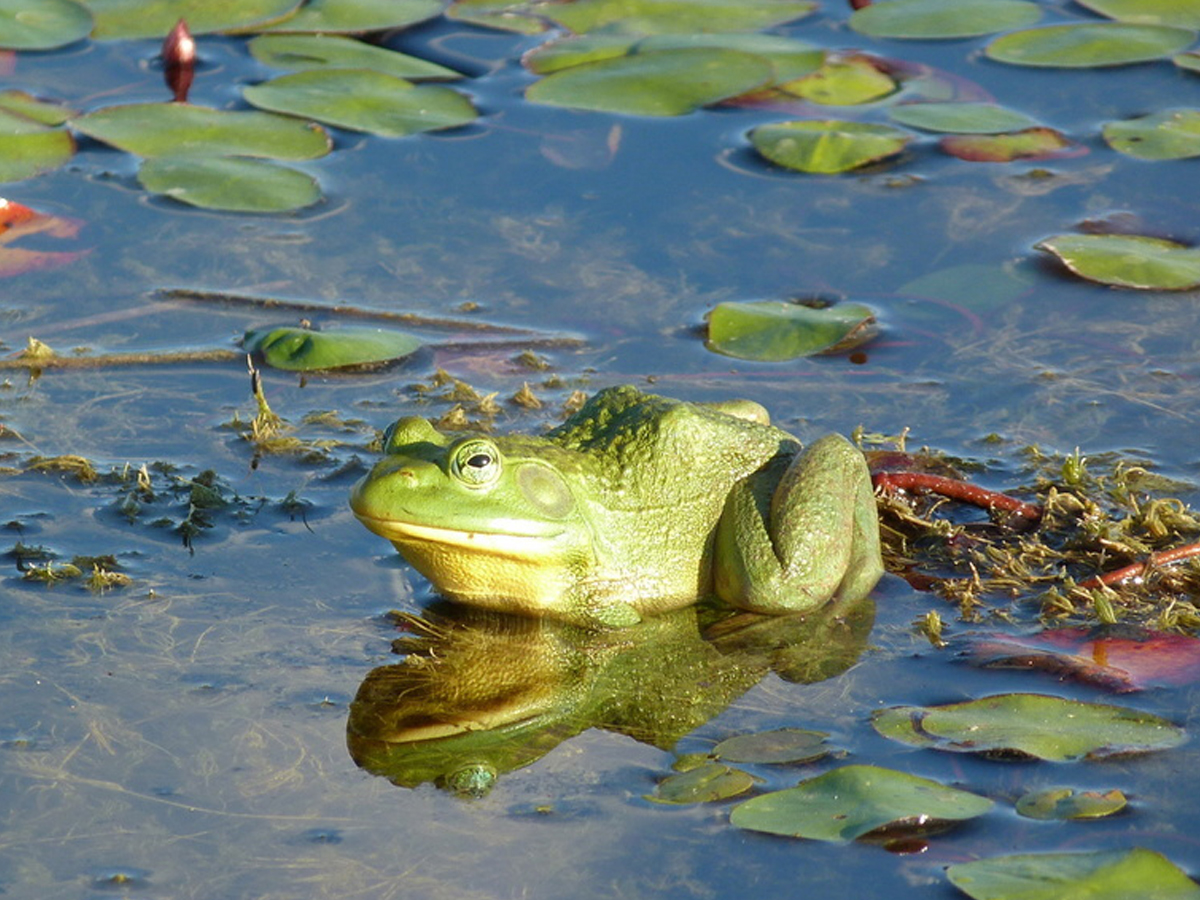
Many Louisiana reptiles and amphibians have commercial value, even those in your backyard. Frogs and turtles are a culinary tradition in Louisiana. When the Louisiana Department of Conservation began reporting landings data in 1932, the annual value of frogs and turtles was nearly $330,000. Today, licensed reptile and amphibian collectors occasionally sell snakes for meat, but the species consumed are otherwise limited to bull and pig frogs and several turtle species. Current landings values for these species fluctuate below $50,000 per year, as many of the animals used for frog legs and turtle soup are now imported.
Of the 140 species of reptiles and amphibians native to Louisiana, a couple of dozen, including green treefrogs, the green red-eared sliders, green anoles, and green snakes, are also valued as pets. Licensed reptile and amphibian collectors turned this green into gold—in peak harvest years in the 1990s, annual earnings were near $5 million. A couple of decades later, income from collecting these species for pets has declined by 90 percent, due to the closure of foreign markets, an increase in the number of protected species, the popularity of captive-breeding, and a decreasing interest among young people in acquiring pet snakes and lizards. Reptile and amphibian collectors are now limited to selling their catch to a half-dozen licensed wholesale/retail dealers.
Monitoring
LDWF biologists conduct surveys to monitor most of our reptile and amphibian populations, providing attention to most species every one to three years, and monitor certain rare or marginally viable species through trapping. They supplement survey data with information on commercial harvests from dealer purchase and sales records and from trip ticket data. LDWF requires that dealers purchasing reptiles and amphibians from collectors submit trip tickets to capture information about their catch—what it is, where it was caught, how it was caught, and how much was caught.
Management
LDWF, along with the Louisiana Wildlife and Fisheries Commission and the Louisiana Legislature, uses all of these data to set regulations for reptile and amphibian collecting, such as commercial license requirements, legal collection methods, closed seasons and areas, and size and possession limits, to keep these populations healthy and available for generations to come.
--Did You Know?--
Licensed reptile and amphibian collectors turned this green into gold—in peak harvest years in the 1990s, annual earnings were near $5 million. A couple decades years later, income from collecting these species for pets has declined by 90 percent