 Official Louisiana State Websites use .la.gov
  Secure .gov websites use HTTPS
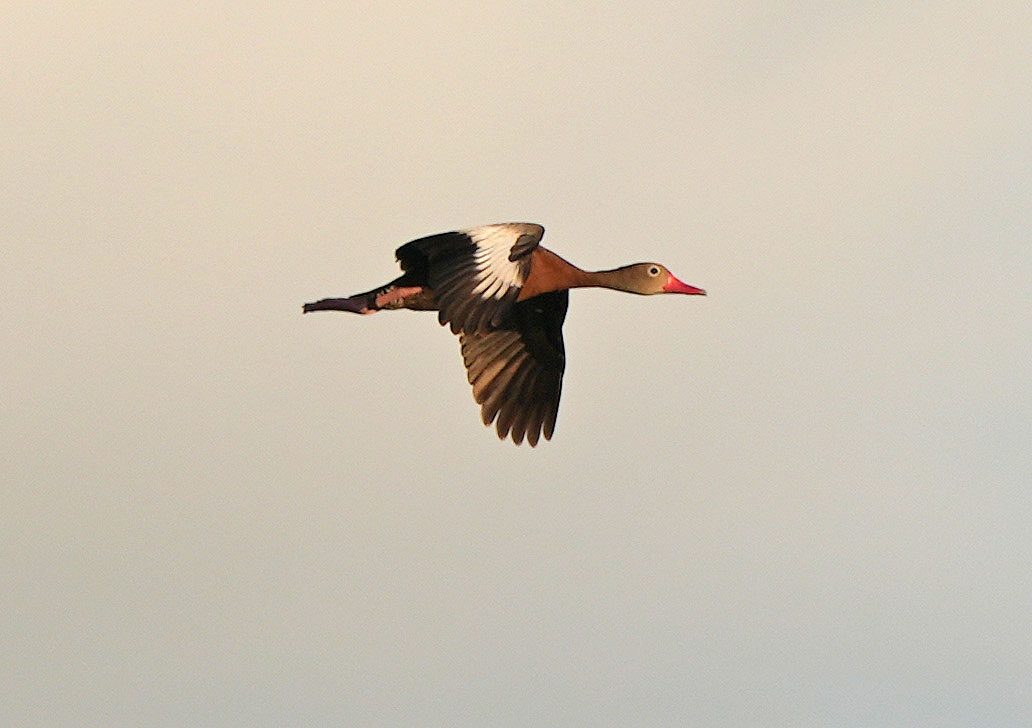
Hot Topic: Black-Bellied Whistling Duck Season
Louisiana waterfowl hunters will be able to enjoy a special black-bellied whistling duck (BBWD) only season statewide from October 3-11.
The daily bag limit for the season will be four with a possession limit of twelve. All hunters participating in the season will be required to have a free black-bellied whistling duck hunting permit from LDWF and are required to report effort and harvest within 15 days of the black-bellied whistling duck season closure.
Hunting Requirements
- All waterfowl licenses
- Federal Duck Stamp
- FREE, LDWF-issued, BBWD permit as a monitoring requirement, agreed to with USFWS
- HIP Registration
- All visitors to LDWF WMAs must have either a WMA Access Permit, Senior Hunting/Fishing License, Louisiana Sportsman’s Paradise License, or Lifetime Hunting/Fishing License. Go to the LDWF WMA webpage for more information.
Reporting Requirements
- Hunting effort and harvest during the 9-day season must be done via the department's online reporting system.
- Reporting must be done between October 12 and October 26. This is within 15 days of the conclusion of the special October Black-Bellied Whistling Duck season.
- Failure to complete this reporting requirement will prevent you from obtaining a permit during subsequent October special Black-Bellied Whistling Duck seasons.
Shooting hours are from sunrise to sunset. This is unlike teal and regular duck seasons; shooting begins at sunrise, not 30 minutes before sunrise.
Black-Bellied Whistling Duck Identification
- All black-bellies have a wide white stripe on upper surface of wings with a dark underside to the wing.
- Feet that extend beyond tail in flight
- Older birds have an orange bill, pink feet, and chestnut chest sharply
transitioning into a black belly - Juvenile birds have grayish bills, lack bright pink feet, and no distinct black belly.
- Older birds have an orange bill, pink feet, and chestnut chest sharply
- Call: Very vociferous during flight. Three or more-note harsh whistle
(peecheeeee cheechee)
Tips for a Successful Hunt
- Hunters will need to do some scouting and preparation to be successful. If you find a place where they already want to be, that’s the best place.
- Decoying is probably going to be a little bit less effective than your typical duck species.
- The Gulf Coast marshes will probably be the best place to harvest the species. They are still waterfowl even though they’re a lot more comfortable on dry land than a lot of other duck species.